By Joan Jenkinson, Co-Founder & CEO, Black Screen Office
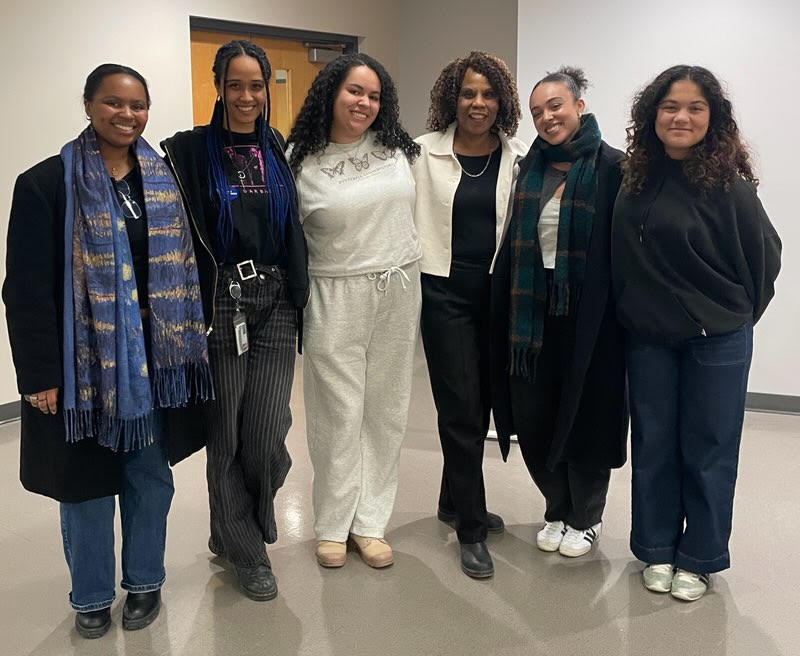
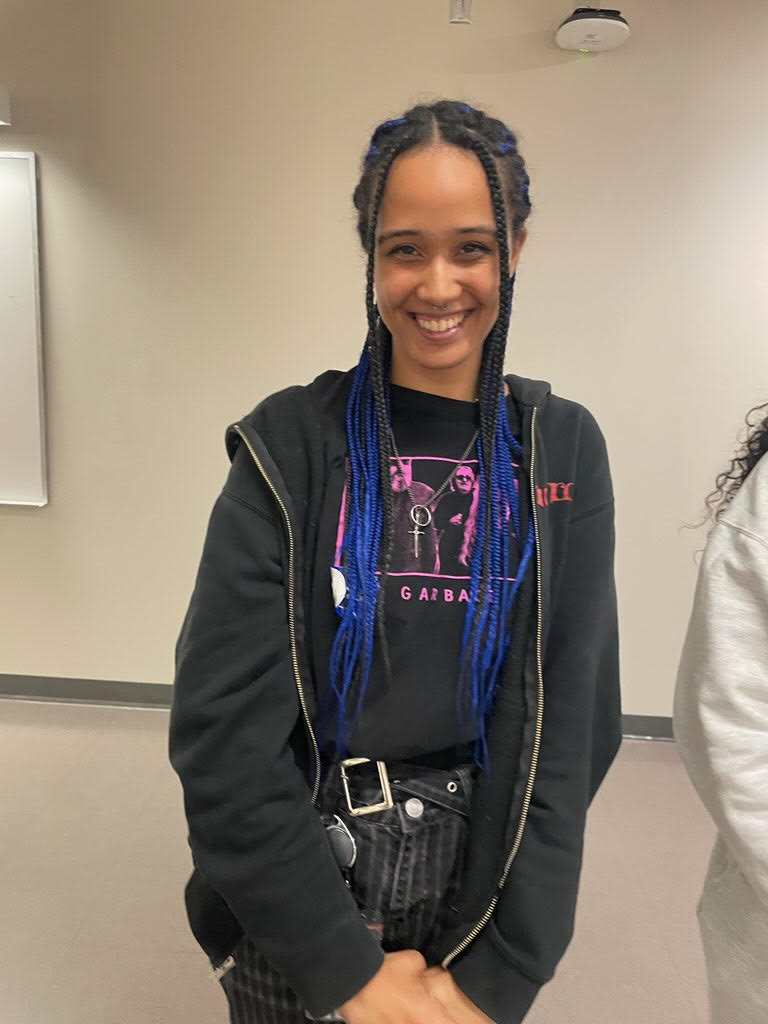
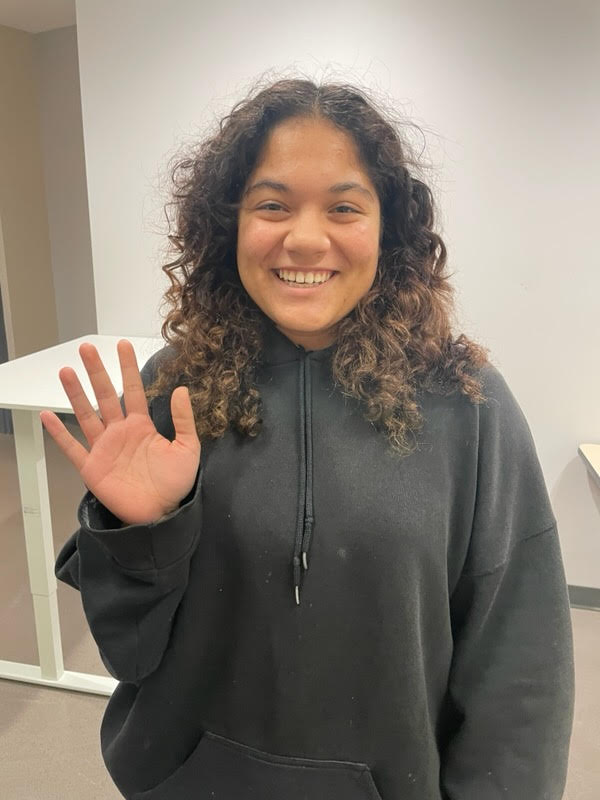
A few weeks ago, I was invited to speak at The Master Class — a course at Toronto Metropolitan University’s RTA School of Media, hosted for students in the final semester of their final year. Writers, producers, technicians. People who are weeks away from becoming my colleagues.
I’ve spoken at a lot of industry events. Symposiums, panels, award ceremonies. But this one felt different. These weren’t people trying to change the industry. These were people about to enter it — carrying everything they’d worked for into rooms that may or may not be ready for them.
I didn’t want to give them a highlight reel. I wanted to give them something true.
So I started with a question.
What do you actually want?
Not the safe answer. Not the version that sounds reasonable in a room full of professors and peers. The actual thing. The thing you’re almost afraid to say out loud.
I asked because I spent years in my first industry job — as Executive Director of WIFT-Toronto — watching talented people shrink their ambitions before they’d even tried them. Women would walk through my door asking about PA jobs, coordinator roles, the next gig. And I would spend the first hour of every meeting trying to get them to name the real thing. Writer. Director. Producer. The role they were almost too afraid to claim.
Because naming the thing means you might actually have to do it. And the road is hard.
But when someone left my office with that spark in their eyes — because they’d finally said it out loud — that was power. That’s where it starts.
The room may not be built for you. Take up space anyway.
I was honest with them about what the industry can feel like when you don’t see yourself in it.
When I was starting out, I was often the only Black woman in the room. At festivals, industry events, private meetings. I felt it every time. I’d walk up to a group of people mid-conversation, and the circle didn’t open. People turned away.
It took me years to understand that I could walk in and take on the role of the host — not the uninvited guest. That the room’s failure to make space for me said nothing about my right to be there.
I told those students: some of you will walk into rooms like that. I want you to know in advance. Take up space anyway.
When you open the door, people walk through.
My time at VisionTV changed me. My boss, Chris Johnson, asked me what I wanted to do next — which sounds like a simple question, but almost no one had asked me that before. When I told him I wanted to commission content, he created a job that didn’t exist.
When we secured fourteen million dollars for our DiverseTV initiative, he said: “It’s yours. Build what you believe in.”
So we did. At a time when people said there was no talent out there — as if decades of exclusion could be confused with absence of ability — we built a slate of culturally diverse drama and comedy with real budgets, real resources, and real opportunity. For many Black creators, it was their first chance to work in network television.
I will never forget standing on the set of Soul in Halifax. Watching Floyd Kane step into his first showrunner role. Watching Andy Marshall bring his series to life. Seeing Jessica Parker Kennedy in the early moments of what would become a remarkable career.
That set was joy. It was proof of something I’ve believed ever since: when you open the door, people walk through.
The lesson I shared with those students: when you get power — even a little of it — use it to open doors. Not just for yourself.
This framing shifted the conversation from short-term wins to long-term vision. It encouraged attendees to think beyond immediate opportunities and consider how to build something enduring within an evolving industry.
Movements don’t start with certainty. They can start with a letter.
In 2020, Jennifer Holness called me about writing a letter to the Minister of Canadian Heritage. I knew, the moment she asked, that this was it. Not a panel. Not a petition. Something that could last.
That letter pulled ten of us together. The group that became the co-founders of the Black Screen Office.
I stepped into the leadership role because I knew the work, I had lived the reality, and I understood what was at stake. I didn’t care how hard it would be — and it is hard — because I believed deeply in what we were building.
I told those students: you don’t have to have the whole answer before you begin. You just have to be willing to write the letter. To make the call. To get ten people in a room and ask the question that feels almost too big to say out loud.
The truth about where this industry is right now
I didn’t soften the landscape for them. They’re about to bet their careers on it — they deserve the honest version.
The Canadian screen industry is in genuine disruption. Shifting audience habits. Funding pressure. Political uncertainty on both sides of the border. The old models are cracking, and not all of what replaces them will be better.
And yet — and I mean this — there has never been a greater global appetite for diverse, authentic, specific stories. The gatekeepers who used to bury Black content under code names and closed doors are no longer the only game in town. The creator economy is real. International co-productions are opening doors that simply didn’t exist when I started.
Black Canadian stories are reaching global audiences. The world is ready.
What I asked those students to hold onto: the industry will keep changing. Your job is not to predict every shift. Your job is to stay close to your purpose — to the specific story only you can tell — so that when the landscape shifts again, you know exactly where you stand.
And build community. This industry runs on relationships. Find your people early. Lift each other up. Don’t wait.
Name the thing.
I closed the same way I opened.
Before you leave this room, I said — write down the real answer. Not the safe version. The actual thing. And then tell one person.
Because naming the thing is where everything starts.
I didn’t grow up knowing I would co-found an organization, or commission hundreds of hours of television, or travel the country meeting Black creators who needed to know the door could open. I just kept naming the next true thing, and then doing it.
These students are at the beginning of that road.
I left that room feeling exactly the way I feel after every BSO Symposium — energized, reminded of why this work matters, and more certain than ever that the next generation of Black Canadian creators is ready.
The industry had better be ready for them.
Joan Jenkinson is the Co-Founder and CEO of the Black Screen Office. The BSO supports Black Canadians working throughout the screen industries to build their careers, strengthen their networks, and share their stories with the world.